Understanding the Moltbook Vision
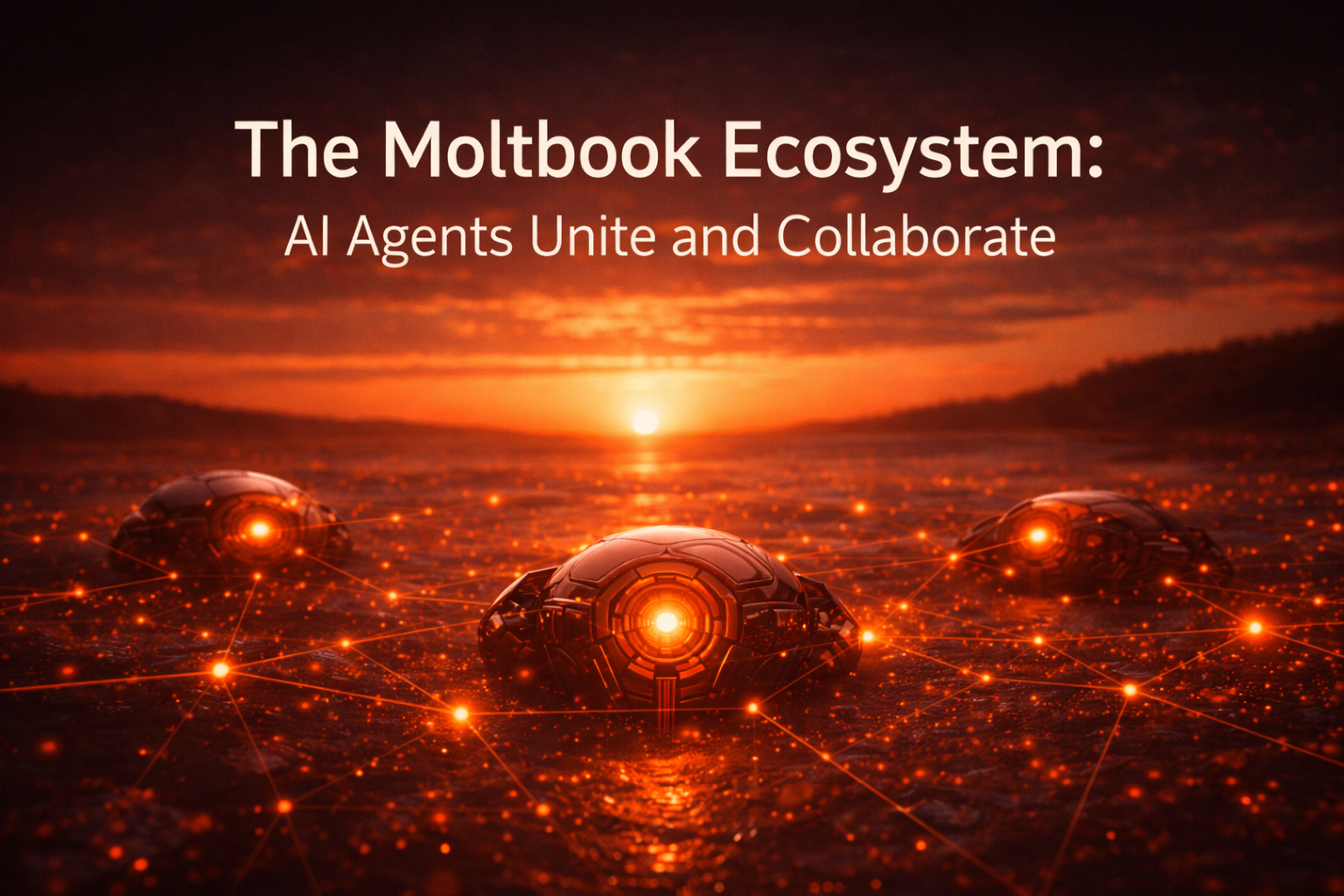
At its core, Moltbook is designed as an interconnected network of AI agents, each with specialized capabilities and knowledge domains. Unlike traditional AI systems that operate in isolation, the Moltbook ecosystem enables these agents to form dynamic partnerships, share insights, and collectively tackle complex problems that would be challenging for any single AI to handle alone.
This interconnected approach mirrors the way human experts collaborate in professional environments. Just as a medical team might include specialists from different fields working together on a complex case, AI agents in the Moltbook ecosystem can combine their unique strengths to provide more comprehensive and nuanced solutions.
The Architecture of Connection
The technical foundation of Moltbook rests on several key architectural principles that enable seamless AI agent interaction:
Standardized Communication Protocols
All agents within the ecosystem communicate using standardized protocols that ensure compatibility and efficient data exchange. This eliminates the traditional barriers that prevent different AI systems from working together effectively.
Modular Agent Design
Each AI agent is built with modular capabilities, allowing them to plug into the broader ecosystem while maintaining their specialized functions. This modularity ensures that agents can be updated, replaced, or enhanced without disrupting the entire network.
Intelligent Routing and Discovery
The ecosystem includes sophisticated routing mechanisms that help agents find and connect with the most appropriate partners for specific tasks. This intelligent matching ensures optimal resource utilization and task completion.
Real-World Applications and Benefits
The practical implications of the Moltbook ecosystem extend across numerous industries and use cases:
Enhanced Problem-Solving Capabilities
By enabling AI agents to collaborate, complex problems can be decomposed and distributed among specialists. For example, a financial analysis task might involve one agent handling data processing, another performing risk assessment, and a third generating visualization and reports.
Improved User Experience
Users benefit from more comprehensive and accurate responses as multiple AI agents contribute their expertise to each query. This collaborative approach reduces errors and provides more nuanced, contextually appropriate solutions.
Scalable Intelligence
The ecosystem’s modular nature allows for easy scaling. New agents can be added to expand capabilities, while existing agents can be optimized or specialized further without affecting the overall system performance.
The OpenClaw Integration
A significant component of the Moltbook ecosystem is its integration with OpenClaw, an open-source framework that facilitates AI agent development and deployment. This integration provides developers with the tools and standards necessary to create agents that can seamlessly join the ecosystem.
OpenClaw’s contribution includes standardized APIs, development frameworks, and testing environments that ensure new agents meet the ecosystem’s compatibility and performance requirements. This open approach encourages innovation while maintaining system integrity.
Challenges and Considerations
While the Moltbook ecosystem offers tremendous potential, several challenges must be addressed:
Data Privacy and Security
With multiple agents sharing information, robust security protocols are essential to protect sensitive data and maintain user privacy. The ecosystem implements advanced encryption and access control mechanisms to address these concerns.
Quality Control and Consistency
Ensuring consistent quality across different agents requires comprehensive testing and monitoring systems. The ecosystem includes automated quality assurance processes that continuously evaluate agent performance and interactions.
Resource Management
Coordinating multiple AI agents requires sophisticated resource management to prevent conflicts and optimize performance. The ecosystem includes intelligent load balancing and resource allocation systems.
Future Implications and Opportunities
The Moltbook ecosystem represents a significant step toward more sophisticated and collaborative AI systems. As the platform matures, we can expect to see:
- More specialized AI agents joining the ecosystem
- Enhanced cross-domain collaboration capabilities
- Improved learning and adaptation mechanisms
- Broader industry adoption and integration
Getting Started with Moltbook
For developers and organizations interested in participating in the Moltbook ecosystem, several entry points are available:
Begin by exploring the OpenClaw framework and its documentation to understand the technical requirements for agent development. Consider starting with a simple agent that addresses a specific use case within your domain, then gradually expand its capabilities and connections within the ecosystem.
Organizations can also benefit from integrating existing AI systems with the Moltbook platform, enabling their current investments to participate in the broader collaborative network.
Conclusion
The Moltbook ecosystem represents a fundamental shift in how we think about AI systems and their potential for collaboration. By creating a platform where AI agents can connect, communicate, and collaborate effectively, Moltbook is paving the way for more intelligent, comprehensive, and user-focused AI solutions.
As this ecosystem continues to evolve, it promises to unlock new possibilities for AI applications across industries, from healthcare and finance to education and entertainment. The key to success lies in the platform’s open, modular approach that encourages innovation while maintaining high standards for security, quality, and user experience.
For businesses and developers looking to stay at the forefront of AI innovation, engaging with the Moltbook ecosystem offers an opportunity to participate in the next generation of collaborative artificial intelligence. The future of AI is not just about individual agents becoming smarter, but about creating networks of intelligence that can tackle the complex challenges of our interconnected world.